
Casa Playitas — Manuel Antonio, Costa Rica
Who Do You Tip in Costa Rica? A Practical Guide for Travelers
“Tipping? Who do I tip & when?” It’s one of the most common questions in Costa Rica travel groups, and for good reason.
Between concierges, shuttle drivers, beach attendants, tour guides, housekeepers, and restaurant servers, it’s not always obvious who gets what, or when. Here’s a breakdown that pulls together the legal basics for restaurants plus real-world guidance from frequent visitors and local resorts on everyone else.
Tipping at Costa Rican Restaurants: The Tip Is Already Built In
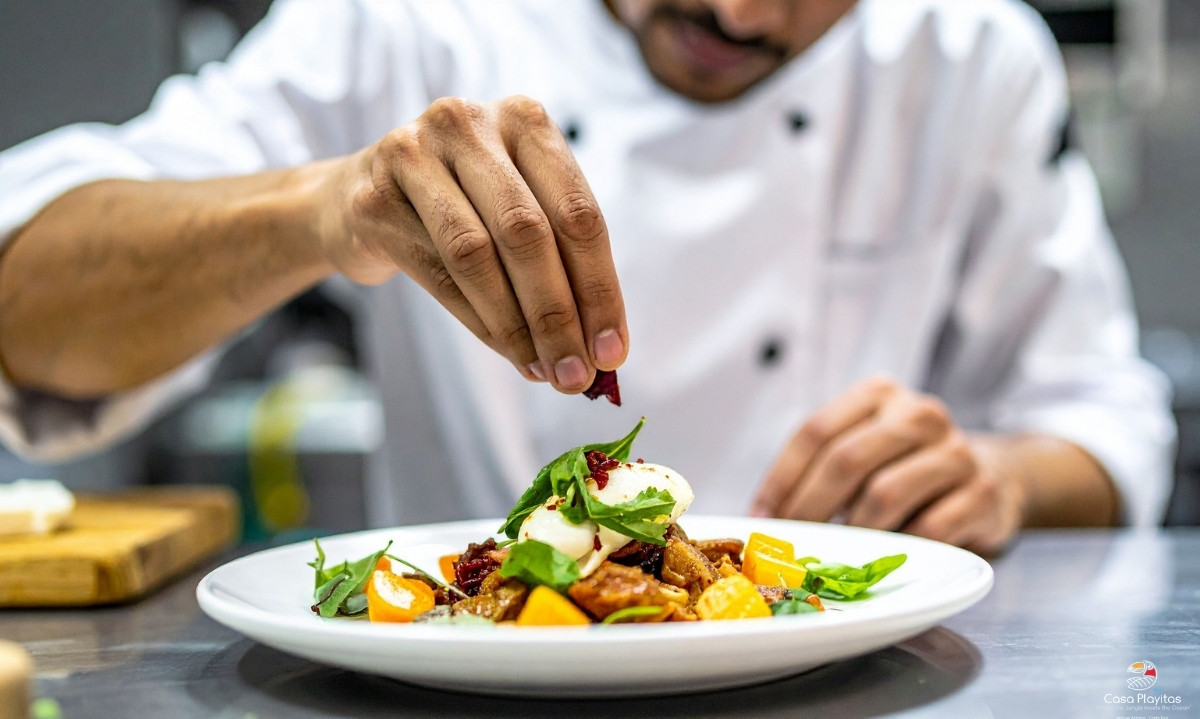
Unlike the United States, where tipping is left entirely to the customer, Costa Rican law (Ley 4946) requires restaurants to add a 10% service charge to every sit-down bill. This isn’t a suggestion or a norm that varies by restaurant, it’s a legal requirement, and it exists specifically so that service staff have a guaranteed baseline income from their work, rather than depending entirely on customer generosity.
On top of that 10% service charge, most bills also include a 13% sales tax (IVA). So when your check arrives, you’ll usually see something like:
Food & drink subtotal
- 10% Servicio (service charge)
- 13% Impuesto (sales tax)
= Total
That means the tip is already built into the price you’re paying. You are not expected to calculate an additional 15–20% on top, the way you might back home.
So Tipping in Costa Rican Restaurants is… Optional?
Exactly. Since the service charge already goes toward staff, leaving anything more is entirely up to you. It’s not mandatory, it’s not culturally expected, and no one will chase you down for skipping it. Costa Ricans themselves (“Ticos”) generally don’t tip each other, it’s simply not part of the local custom the way it is in North America.
That said, tipping culture has shifted somewhat as tourism has grown, especially in areas that see a lot of visitors from the U.S. and Canada. If you received genuinely great service, attentive, friendly, went out of their way for you, it’s become increasingly common (and appreciated) for patrons to leave a little extra on top of the built-in 10%. Many locals suggest an additional 5–10% for standout service, though there’s no strict formula. Whatever you leave is a bonus, not an obligation.
A Few Practical Notes
- Check the menu. Most menus indicate whether prices already include tax and service (often labeled “impuestos incluidos”). Smaller, family-run sodas (casual local eateries) sometimes skip the service charge altogether to keep prices low, worth asking if you’re unsure.
- Cash is more direct. If you want any extra tip to go straight to your server rather than being pooled among the restaurant staff, leaving it in cash is your best bet.
- You may need to ask for the check. Costa Rican dining culture doesn’t rush you out, servers typically won’t bring the bill unless you request it.
- Currency doesn’t matter much. Colones or U.S. dollars are both fine if you do choose to leave extra, though colones save the recipient a currency-conversion headache.



There’s no single official rulebook outside of restaurants
What About tipping Concierges, Drivers, Beach Staff, and Guides?
Restaurants are the one place in Costa Rica where tipping is spelled out by law. Everywhere else, it’s more of a judgment call but, travelers who visit often (and the resorts themselves) have settled into some fairly consistent habits worth knowing before your trip.
Tipping Shuttle drivers in Costa Rica:
Tip per ride, not just once at the end. A few dollars, commonly $3–5, handed directly to the driver each time is the norm, since concierge tips typically don’t trickle down to transportation staff.
Tipping Taxi drivers in Costa Rica:
Tipping taxi drivers in Costa Rica is not required, it’s optional. There’s no built-in service charge on a taxi fare the way there is at restaurants, and locals typically don’t tip cab drivers at all. Rounding up the fare or leaving a little extra is a nice gesture for good service, but it’s not expected.
Tipping Beach attendants in Costa Rica:
Like drivers, beach staff are usually tipped in cash, in person, each time they help you, not folded into a single lump sum at checkout. If the same person sets up your chairs or brings you drinks visit after visit, tipping them directly (rather than assuming it’s covered elsewhere) is the safer bet.
Tipping your Concierge in Costa Rica:
This is typically a single, larger tip given at the end of your stay, reflecting the full scope of what they helped coordinate, dinner reservations, excursion bookings, problem-solving, etc.
Tipping Housekeeping in Costa Rica:
Either tip daily (so it reaches the specific person cleaning your room each day) or leave a lump sum at the end of the stay.
Tipping Excursions and tour guides in Costa Rica
Tip the guide and driver, they’re generally considered separate roles. If there are multiple guides on one excursion, it’s worth bringing extra cash, since group tours often split gratuities among the whole team even if you hand it to just one person. A common benchmark is 15–20% of the activity’s cost, adjusted for how the day went.
Restaurants during excursions: Even when a meal is already included as part of a tour package, it’s common to bring a little extra cash to tip the servers directly, separate from whatever’s built into the excursion price.
A Few Seaches That Come Up Again and Again
-
- Tip in person and in cash whenever possible, especially for drivers, beach staff, and guides, it ensures the tip reaches the specific person who helped you, rather than being pooled or absorbed elsewhere.
- “Per interaction” vs. “at the end” varies by role. Drivers and beach attendants tend to get tipped each time; concierge and housekeeping are more often tipped once, at checkout.
- There’s no single official rulebook outside of restaurants. One long-time visitor summed it up well: treat people the way that makes them remember you fondly, in words, actions, and tipping, it tends to serve everyone well. Ultimately, it’s personal.
The Bottom Line
At Costa Rican restaurants, the 10% service charge is already part of the price, no math, no guilt, no obligation, though an extra 5–10% for standout service is a nice gesture.
For everyone else: drivers, beach attendants, concierge, housekeeping, and guides, there’s more room for personal judgment, but the pattern that keeps coming up is simple: tip in cash, tip the person directly when you can, and let the level of service guide the amount.
That’s the pura vida way to handle it: thoughtful, not stressful.
Got Questions?
Frequently Asked Questions
Related Posts





Welcome to Casa Playitas, your ultimate luxury vacation house rental in Manuel Antonio, Costa Rica with concierge.